The Ultimate Guide to Building Investment Properties for Residential Projects

The Ultimate Guide to Building Investment Properties for Residential Projects
Building investment properties for residential projects can be a lucrative endeavor for many real estate investors. Whether you are looking to flip a property for a quick profit or hold onto it for long-term rental income, there are many factors to consider when undertaking a new construction project. In this ultimate guide, we will explore the steps involved in successfully building investment properties for residential projects.
1. Planning and Research
Before embarking on a new construction project, it is essential to do thorough planning and research. This includes determining your budget, selecting a suitable location, and conducting market research to identify potential buyers or renters. Consider factors such as the neighborhood demographics, real estate market trends, and demand for rental properties in the area.
2. Securing Financing
Once you have a solid plan in place, the next step is to secure financing for your project. Hard equity loans are a popular option for real estate investors looking to fund construction projects. These loans are secured by the property itself, making them a viable option for those who may not qualify for traditional bank financing. Be sure to compare different loan options and choose one that fits your financial goals and timeline.
3. Design and Development
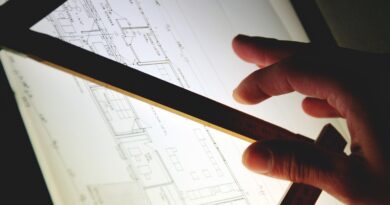
After securing financing, it is time to create a design plan for your investment property. Work with architects and contractors to develop a blueprint that meets your budget and goals. Consider factors such as the size of the property, layout, and amenities that will appeal to potential buyers or renters. It is crucial to stay on top of the construction process and ensure that all work is completed according to the agreed-upon timeline and budget.
4. Obtaining Permits and Approvals
Before beginning construction, you must obtain the necessary permits and approvals from local government authorities. This may include building permits, zoning approvals, and environmental assessments. Failure to secure the proper permits can result in delays or fines, so it is essential to follow the legal requirements in your area.
5. Construction and Project Management
Once all permits are in place, construction can begin. Hire a reputable contractor to oversee the project and ensure that all work is completed to code. Regularly communicate with your contractor to address any issues or concerns that may arise during construction. Project management is key to ensuring that your investment property is built to your specifications and within budget.
6. Marketing and Sales
After construction is complete, it is time to market and sell your investment property. Work with real estate agents or marketing professionals to create a listing that showcases the property’s features and amenities. Consider hosting open houses or virtual tours to attract potential buyers or renters. Pricing your property competitively and offering incentives such as closing cost assistance can help expedite the sales process.
7. Managing Rental Properties
If you choose to hold onto your investment property as a long-term rental, it is essential to have a solid property management plan in place. This may include screening tenants, collecting rent, performing regular maintenance, and addressing any tenant issues or concerns. Consider working with a property management company to handle the day-to-day tasks of managing rental properties.
In conclusion, building investment properties for residential projects requires careful planning, financing, and project management. By following the steps outlined in this ultimate guide, you can successfully build and sell or rent out investment properties for a profitable return on your investment. Whether you are a seasoned real estate investor or new to the industry, building investment properties can be a rewarding experience with the right approach and resources.